Before leaving: decide what the visit should resolve
A visit is more useful when it starts with an unresolved decision. You may need to check whether your dining table fits, compare two layouts or understand access in an unfamiliar area. Write three questions that would genuinely affect your choice and share them with your advisor when arranging the visit.
Identify the project, layout and, when possible, unit. Confirm whether you will see the actual apartment, a model, completed common areas or material for a project in development. Each experience provides different information. Request the entrance address and access requirements before leaving, particularly when arranging transport or accompanying guests.
- Bring measurements of your main furniture and a tape measure if its use is permitted.
- Ask for the current plan and an identified quotation before comparing.
- Arrange a manageable number of visits with specific questions and time for notes.
First, confirm what you will actually see
Before setting aside time, ask: “Will I see the quoted unit, a show apartment or only the showroom?” A show apartment helps you understand scale and sample finishes; it does not establish the view, orientation or condition of your unit. If the project is still being developed, a visit may clarify the setting and documents but cannot physically verify a home that does not yet exist.
| What you visit | You can check | Still unresolved |
|---|---|---|
| Quoted unit | Layout and visible condition that day | Technical inspection and documents |
| Show apartment | Scale and sample finishes | Your unit’s orientation, view and handover |
| Showroom / pre-sale | Plans, samples and location | Completed construction and final result |
Bring a floor plan and five everyday requirements
Save the identified floor plan, the quotation if available and the inclusions list. Add five personal facts: bed measurements, sofa measurements, number of workspaces, parking needs and one daily journey. A tape measure and phone notes help record observations; ask permission before measuring or photographing private spaces.
If someone is joining you, agree on non-negotiables before arrival. “Two desks that can be used at the same time” leads to a more useful check than “a spacious apartment”. Each person can record findings separately afterwards. Then distinguish disagreements about facts from differences in preference.
The visit starts outside the lobby
Test arrival from one of your everyday destinations. Observe the vehicle entrance, visitor parking and route to the lift. If walking is important, check crossings and continuity of the route. Record the date and time so your observations are not mistaken for permanent neighbourhood conditions.
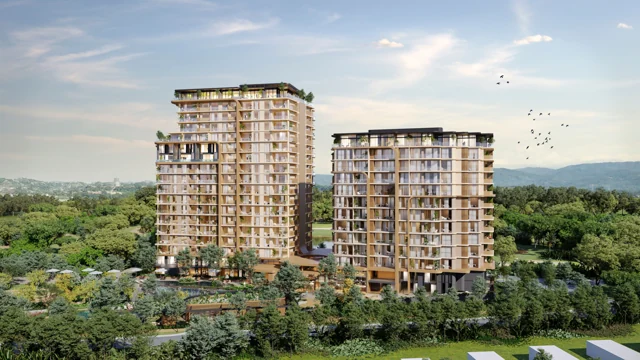
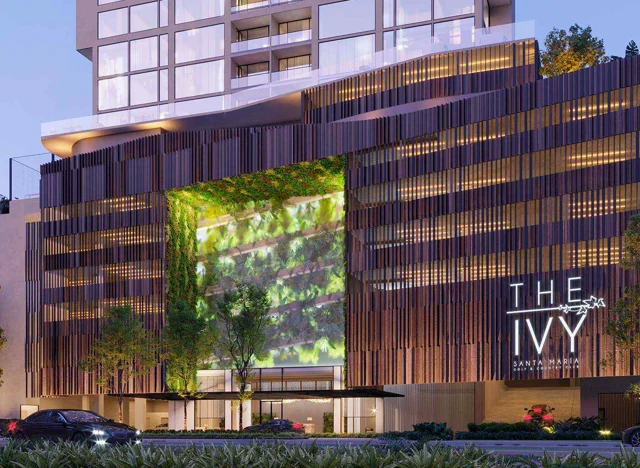
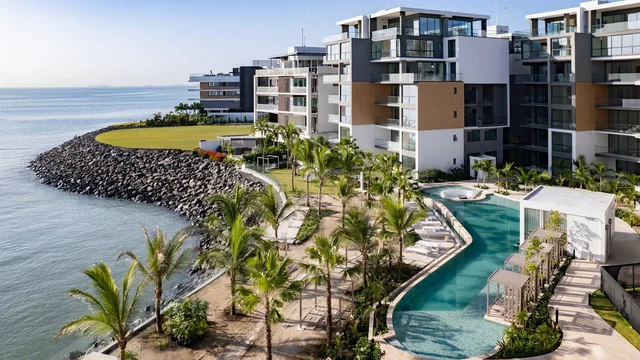
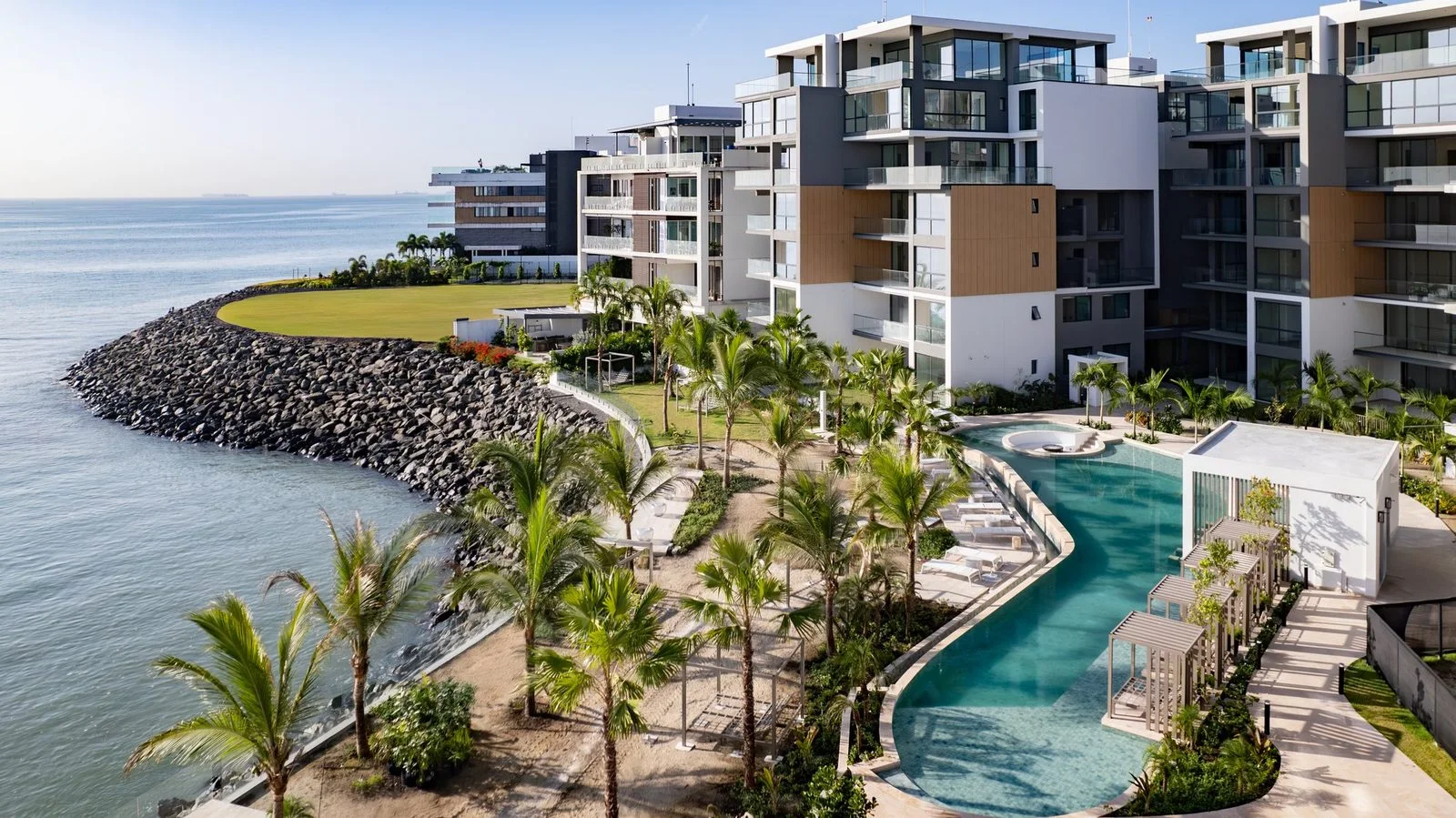
In Santa María, ask what belongs to the building and what has separate club conditions. In Ocean Reef, check access and which services your option actually includes. In Costa del Este, Coco del Mar and Punta Pacífica, choose a daily destination and verify the journey from that address. The table suggests area-specific questions without assuming travel times or included services.
| Area | Useful check |
|---|---|
| Santa María | Which access would I use daily, and which local services have separate conditions? |
| Ocean Reef | How do visitors enter, and which usage rights are included in writing? |
| Costa del Este | What is my actual journey to work, school or shopping from this building? |
| Coco del Mar | What route would I walk or drive, and what is visible from this orientation? |
| Punta Pacífica | How do building access, visitors and my regular destinations work together? |
Inside the apartment: keep the plan open
Start with the layout rather than the decoration. Walk through the entrance, kitchen, living room, bedrooms and laundry with the plan. Check window positions, door openings and circulation with your furniture in mind. If the model is not the quoted unit, record the differences your advisor needs to confirm.
Spend time observing orientation, light, views and noise. Note the time and the room from which you are observing. One visit cannot describe every condition throughout the day. If something is decisive, ask for another check at a different time or specific documentation.
Review balconies and terraces as usable spaces: depth, access, privacy and cover. Request dimensions when you cannot verify them. A visit is an opportunity for observation; it does not replace a specialist technical inspection where the transaction calls for one.
Record light, noise and moisture without overinterpreting them
Record the time, weather and stated orientation. Observe living spaces and bedrooms with windows as you would normally use them. Compare noise with doors open and closed, where permitted. A phone app is not a professional acoustic measurement, and a quiet visit does not prove permanent quiet.
If you see staining, peeling paint, a persistent smell or standing water, photograph it with permission and request a written explanation. Do not diagnose the cause or assume cosmetic repairs resolved it. If it affects your decision, seek an independent technical inspection and available history. This checklist prepares questions; it does not certify the home’s condition.
Finishes and amenities: record what is included
Ask which elements of the model apartment are part of the handover. Furniture, decoration and equipment may be staging. Record a brand, reference or specification when provided, together with the document that will confirm it. Avoid treating an informal conversation as a guaranteed inclusion.
In shared areas, ask about hours, reservations, guests and access conditions. Separate what you see completed from what is shown in images or planned documents. If you do not visit an amenity, leave it pending. Apply the same approach to parking, storage and workspaces: a photograph does not establish their usage rules.
Request the applicable maintenance fee and details of included services. If the figure is not yet confirmed, keep that status visible in your comparison. Do not substitute an average from another building for missing information.
A record you can reuse at the next viewing
Write each finding as a statement another person could check. “My 2.20 m sofa fits according to the measurement taken” differs from “the living room is large”. Record what you could not see, too. If an amenity was closed, its condition remains unresolved even if it appears in the gallery. A convincing rendering is not a completed check.
| Topic | Observation or answer | Next action |
|---|---|---|
| View | I saw the show unit, not my floor | Request unit orientation and evidence |
| Laundry | I did not measure the appliance space | Request width, depth and connections |
| Maintenance | Amount stated verbally | Request written support and included services |
| Parking | Space not yet allocated | Confirm number and terms |
Afterwards: separate facts from impressions
Summarise each visit in three columns: personally observed, supported by a document and awaiting an answer. “I liked the living-room light at 10 am” is a useful observation; “it will always have that light” is a conclusion the visit does not prove. The same distinction applies to noise, occupancy and journey times.
Update your shortlist with a strength, an unresolved point and a next action. If two alternatives remain close, return to the requirement that most affects your day. The next conversation can focus on a plan or a specific condition without repeating the whole tour.
Before a reservation or any payment, request the applicable documents and conditions. Ownership, contracts, obligations and financing require the relevant professional review. This checklist organises a visit and does not replace those checks.
- Assign an owner and date to each unanswered question.
- Keep the quotation and plan with their version dates.
- Do not interpret an advertised price or a visit as a unit reservation.
Preparing your property tour with Heritage
Heritage’s premium property tour has a published fee of US$275 per person. You can review the service guide and request an initial advisory conversation before paying. The date, route, scope, transport, taxes and payment conditions are confirmed with the team before booking the service.
The form records a request for coordination. It does not automatically reserve a date, unit or time slot. State the areas that interest you, the kind of space you need and the questions you want to resolve. This provides a basis for discussing a route focused on relevant options.
The checklist below works independently: mark checks, add notes and download a text file to take with you. No contact details are required. If you choose to share it with an advisor later, you decide what information to send.
Reference: Heritage · Tour inmobiliario premium
Heritage · Practical tool
Your visit checklist
Mark what you have reviewed and add notes. Download a text summary of completed checks and open questions. It stays on this page until you reload and is not sent to Heritage.
Up to 2,000 characters. Download before closing or reloading this page.
Frequently asked questions
What should I bring to a property visit?
The layout plan, your main questions, relevant furniture measurements and a way to take notes. Confirm access requirements and whether photography or measuring is permitted.
Is seeing a model the same as seeing the unit I might buy?
No. Confirm differences in floor, orientation, layout and inclusions. Request documentation for the quoted unit.
How do I review a project that is still being built?
Separate a permitted visit from documentary review. Request the reported stage, plans, specifications and handover conditions. Do not assume a rendering shows current progress or enter unauthorised areas.
How much does the Heritage tour cost?
The published fee is US$275 per person. Scope, transport, taxes, date, route, cancellation and payment conditions are confirmed before contracting. Submitting the form does not make a payment.
Does a tour request confirm a booking?
No. It records your interest and preferences for coordination with Heritage. Team confirmation is needed to agree on the visit.
What does the checklist download contain?
A text summary of reviewed items, open questions and your notes. It is not a quotation or booking. Changes remain only on the page, so download before closing or reloading.
Sources and method
Reviewed October 18, 2026. Editorial checklist for organising observations and documents, without claiming Heritage performed these inspections or replacing technical inspections and contract review. Sample notes are hypothetical. Tour price comes from the service information: US$275 per person, with scope, date, taxes and terms to be confirmed before payment.
Make your next step more specific.
Prepare my tour